
We live in an age of unprecedented connection. With a single click, we can communicate with people on the other side of the world, join online communities, and access more information than any generation before us. Yet, despite this constant connectivity, many students and educators report feeling increasingly isolated.
It is one of the great paradoxes of our time. We have never had so many ways to connect, yet genuine human connection often feels harder to find.
As artificial intelligence becomes a bigger part of our daily lives, this paradox is becoming even more significant. AI can answer questions, generate ideas, translate languages, and help us work more efficiently than ever before. These are remarkable advances, but they also remind us of something important: technology can support learning, but it cannot replace the relationships that give learning meaning.
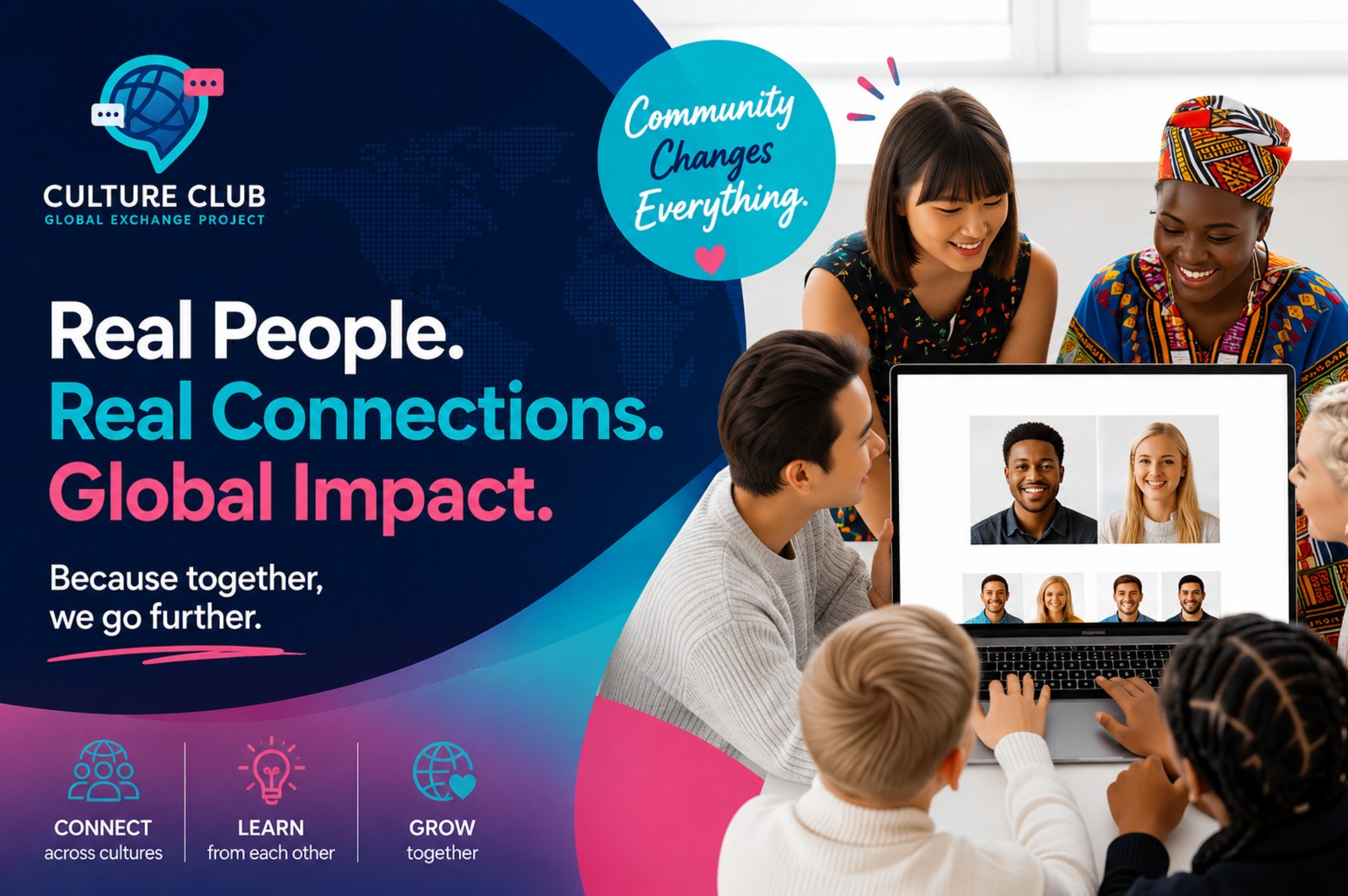
That is one of the reasons I created Culture Club.
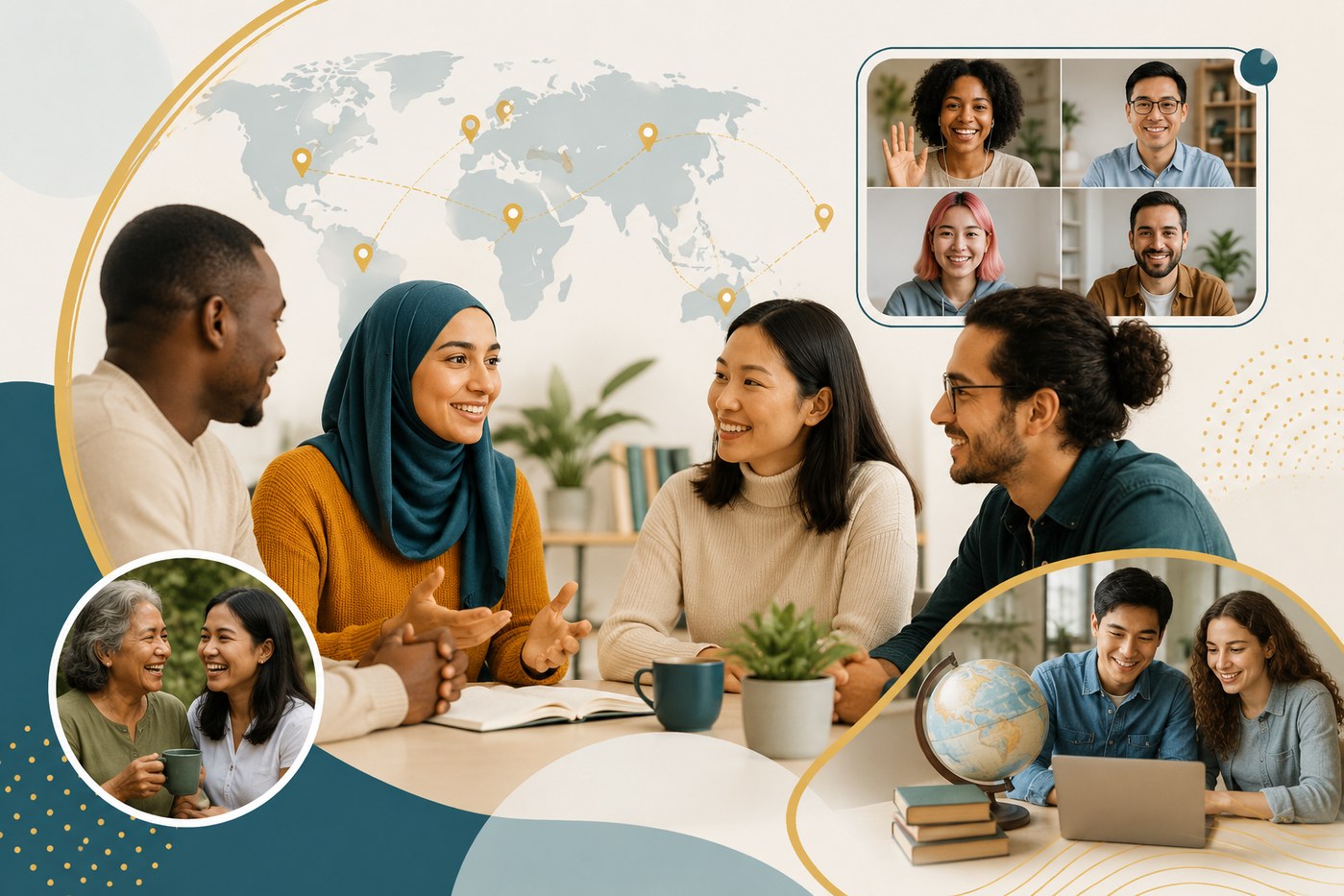
What began as a simple opportunity for university students from different countries to practice English together has evolved into something far more meaningful. Today, Culture Club is a global community where students build friendships across cultures, educators collaborate internationally, and everyone involved discovers that communication is about much more than language. It is about curiosity, empathy, and belonging.
Looking back, I realize that the greatest successes have rarely been about English.
Of course, students become more confident communicators. They develop their language skills, learn about different cultures, and gain valuable international experience. But those are often just the visible outcomes. The real transformation happens when students begin believing they have something worth saying.
I have watched students who were once too nervous to turn on their cameras become confident discussion leaders. I have seen participants who apologized for every mistake gradually stop worrying about perfect English and start focusing on genuine conversation instead. Somewhere along the way, English stops being a subject they study and becomes a bridge that connects them with people around the world.
The same is true for educators.
Teaching is often described as a people-centered profession, yet it can also be surprisingly isolating. Many educators spend years working within their own classrooms or institutions with few opportunities to connect meaningfully with colleagues beyond their immediate environment. Through Culture Club, I have seen teachers from different countries exchange ideas, begin collaborative research projects, develop friendships, and support one another through both professional challenges and personal milestones.
None of this was carefully designed into the project.
It happened because people were given permission to connect.
That simple idea also sits at the heart of Voice of Culture. Every issue reminds us that culture is not something we simply observe; it is something we experience through relationships. Whether we are discussing education, leadership, communication, wellbeing, or innovation, the common thread is always the same. Meaningful learning happens when people learn with—and from—other people.
Community creates opportunities that individuals rarely discover alone.
Students gain confidence because they realize they are not being judged; they are being listened to. Teachers discover new ideas because they are willing to share their own. Partnerships emerge because conversations become collaborations. The community becomes far more than the sum of its individual members.
This is why I believe community has become one of the most important skills we can cultivate in education.
For years, we have focused on helping students access information. Today, information is everywhere. AI can explain concepts, answer questions, and generate content in seconds. Those capabilities are extraordinary, but they also shift the role of education. If information is increasingly abundant, then our greatest responsibility is helping students think critically, communicate authentically, and build meaningful relationships with others.
Those are not skills we learn alone.
They develop through conversation, disagreement, collaboration, and shared experiences. They develop when students feel safe enough to ask questions, challenge ideas, and make mistakes without fear. They develop when teachers model curiosity instead of certainty and collaboration instead of competition.
Technology can make communication easier.
Community gives that communication purpose.
Perhaps that is why Culture Club continues to surprise me after all these years. What began as an English conversation project has become a reminder of something much bigger. People from different countries, cultures, and backgrounds often have far more in common than they first imagine. Given the opportunity, they naturally become curious about one another, celebrate their differences, and build friendships that continue long after the sessions end.
Those friendships matter.
They remind us that behind every screen is another person with experiences, perspectives, and stories worth hearing. In a world increasingly shaped by algorithms and automation, those human moments become even more valuable.
Community does not happen by accident.
It is built through small acts of participation, encouragement, curiosity, and kindness. It grows every time we choose conversation over assumption, collaboration over competition, and understanding over judgement.
That is also the vision behind Voice of Culture. Every article, every conversation, and every collaboration contributes to a growing international network of educators and learners who believe education is, and always will be, about people.
As we continue navigating an increasingly digital future, perhaps our greatest challenge is not learning how to use new technologies.
It is ensuring that those technologies help us build stronger communities rather than replace them.
Because in the end, the most valuable thing we can offer one another is not simply information.
It is belonging.
By Robert Stroud (Culture Club Founding Organizer)
About the Author
Dr. Robert Stroud is a professor based in Tokyo, Japan, whose work explores how community, intercultural communication, and emerging technologies can create more meaningful learning experiences. He is passionate about helping students and educators build confidence, collaborate across cultures, and foster genuine human connection in an increasingly digital world. Robert is the creator of Culture Club, an international virtual exchange project, the founding editor of The University Grapevine, and a co-founder of Voices of Change (VOC). An internationally recognized TEDx speaker, he advocates for educational approaches that use technology to strengthen—not replace—the relationships at the heart of learning.