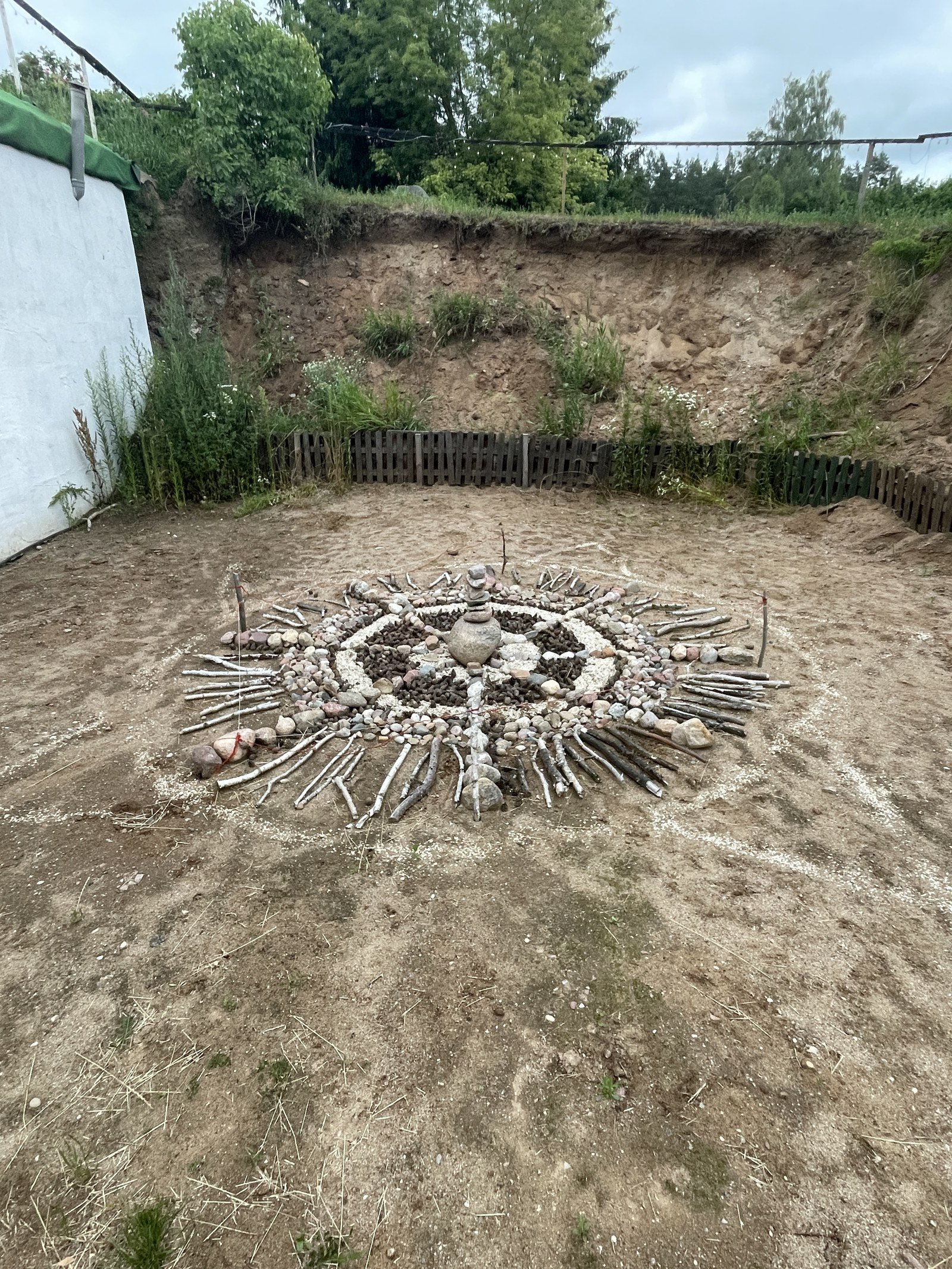
In 2025 I sat inside a sweat lodge for the first time, not knowing what to expect.
What I found was not a ritual. It was the oldest kind of classroom. Dark, boiling hot, raw and honest. Everyone equal. There were no titles, credentials and no hierarchy of expertise. Just people breathing the same difficult air, held by the same walls, and responsible for each other's presence.
I didn't understand what I had experienced until much later. But I carried it home with me and felt deeply that some answers needed time to arrive fully.
Community is not a feature. It is the infrastructure.
Modern education loves the word community. We build it into our platforms, branding, and place it as our mission statements. We describe it as a benefit, something we offer alongside courses and content.
Indigenous communities I have been encountering don't describe community that way. They don't offer it, as it is not something you give. They are the community. After years of encounters I see clearly now that community is not a product of their learning but the condition that makes learning possible at all.
And this distinction matters more than it might first appear.
When knowledge lives inside individuals, it becomes property. It can be hoarded, hierarchised, patented, and often lost. When knowledge lives inside a community, being passed through stories, ceremonies, dialogue, and shared experiences it becomes something else. It becomes alive.
Just a heads-up: I naturally sort many things into threes. Being born on the 3rd of March probably has something to do with it. I've accepted it, and my friends have stopped questioning it. Now getting back to the knowledge way of becoming.
Resilient. Like old-growth forest after fire. The trees that burn are not the end of the story - because the roots beneath them hold. Community knowledge survives disruption the way ecosystems do: not by resisting damage, but by having enough depth and connection underground so that something always remains to grow from. A single educator's knowledge getting lost, is simply lost. Knowledge woven into a community endures, being carried forward by others, newcomers, and remembered in different ways, being kept alive in retelling and reusing.
Nourishing. A river does not lose itself by feeding the land it moves through. It simply keeps moving and everything it touches grows. Every story shared inside a community works the same way. It does not diminish the teller but multiplies and becomes someone else's permission to speak, framework for understanding, or the courage to try something new. The more that flows, the more there is.
Transferrable. And here is where it becomes philosophically interesting. Because transferability is not simply portability- the idea that knowledge can be picked up and moved like cargo. In a living community, knowledge transfers the way seeds transfer: it lands somewhere new, reads the conditions of that soil, and grows into something adapted to its new context. What you learned in your classroom in Vietnam, Cairo or Tokyo does not arrive unchanged in someone else's practice. It arrives as possibility. It can become theirs. That transformation is not a loss of the original - it is the original one fulfilling its purpose. To evolve.
I have been thinking about this ever since. And I have been thinking about what it means for VOC, and for every educator I met.
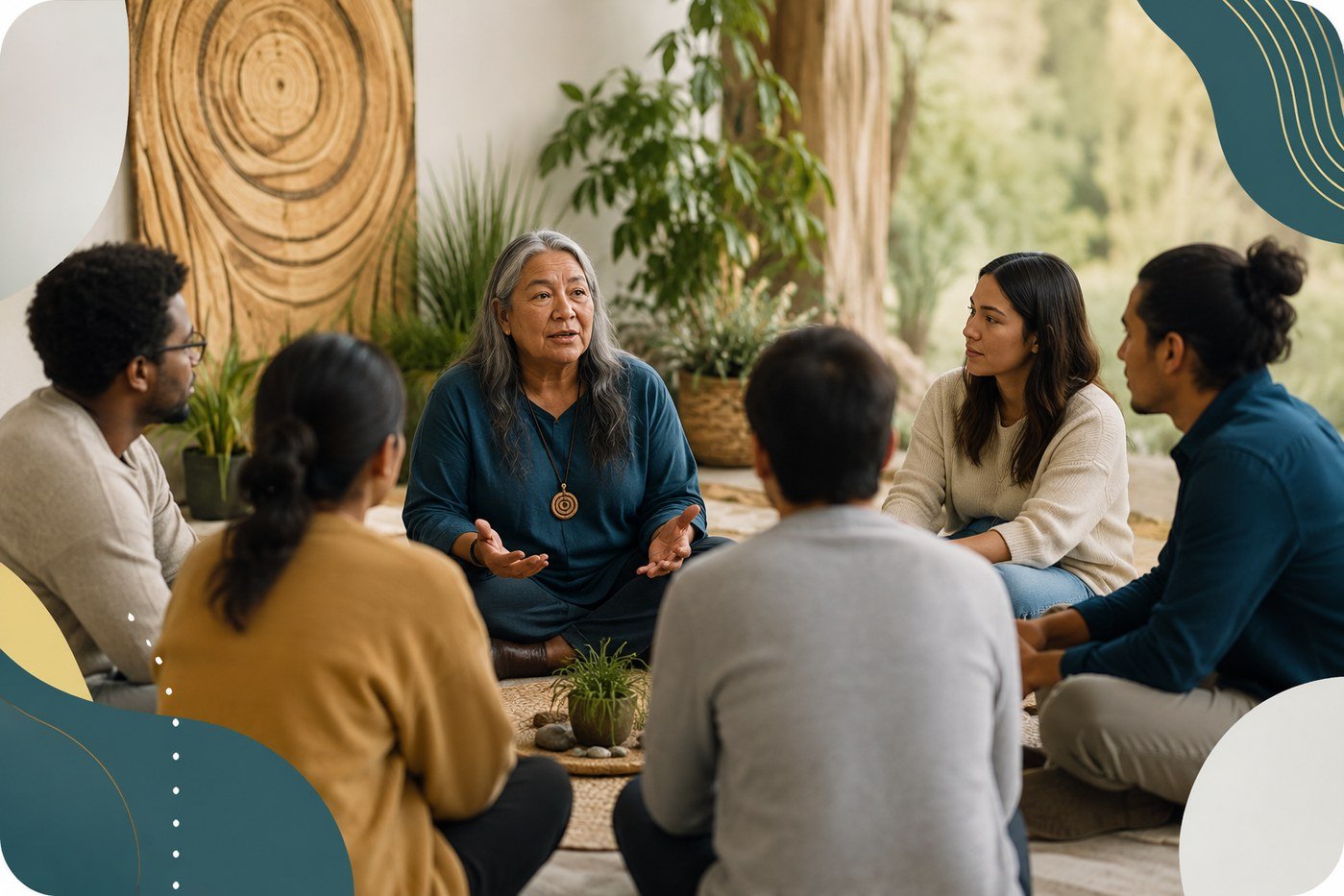
What I learned from sitting in the circle
Three things stayed with me from those conversations and experiences. Me again, going with threes.
Elders speak last. In many indigenous council traditions, the most experienced voices wait. They listen first, being fully present, and without preparing their response, and only then offer their perspective. Not because their knowledge is less valuable but because without listening, even the deepest wisdom is just a monologue.I have been pondering … How often do we design our professional communities the other way around?
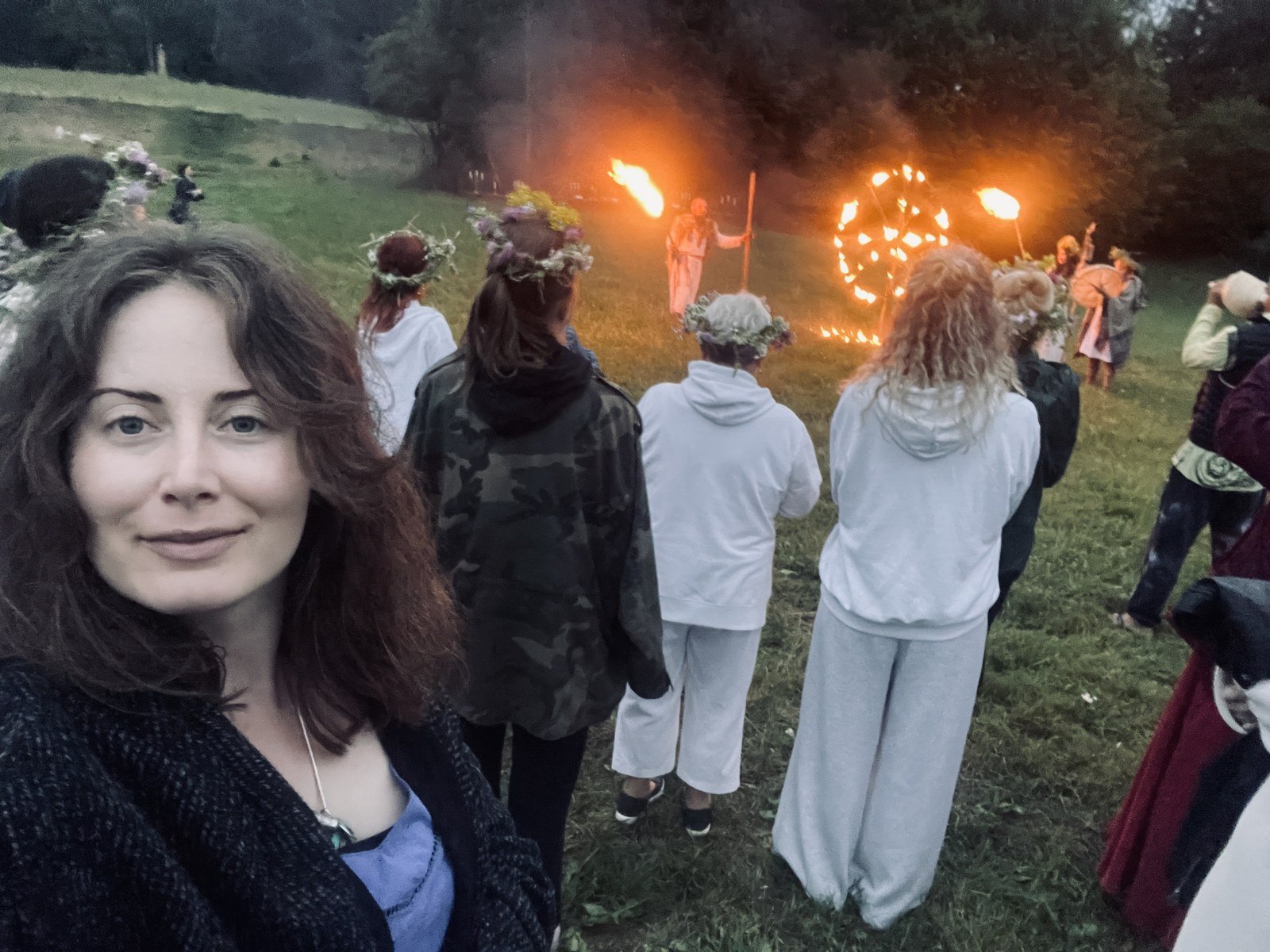
Knowledge is relational, not individual. What someone knows is inseparable from where they learned it, who taught them, and who they carry it forward to. There is no such thing as isolated expertise. There is expertise in relation. The moment we forget this, we start building systems that reward individual performance and quietly starve collective intelligence.
The circle has no head. Every voice belongs here. Not equally weighted in every moment but equally welcomed. Always. That is the whole point.
What this means for us at VOC
Every story matters and one is none.
However it does sound so, this is not a motivational phrase but a structural truth. A single voice, however brilliant, remains fragile in isolation. It can be ignored, forgotten, or simply never found by the person who needed it most. But stories in relation, ones that answer, challenge and build on each other, become something a community can actually stand on.
Look through the lens of the indigenous inner circle for a moment. Your experience in the classroom is knowledge. Your moment of doubt before a difficult conversation with a learner is knowledge. The decision you made that didn't work, and what you did next is knowledge too. Because of its imperfection, not despite it.
Every school leader navigating change, trainer reflecting on their practice, and every early-career teacher finding their footing - each of you carries something the circle needs. Not when you have figured it all out. Right now, exactly as you are.
Indigenous wisdom suggests that a community's health can be measured by one thing: whether it makes its members more fully themselves, or less. That is the standard we hold ourselves to at VOC. The goal is not another platform or an association with a logo but a circle that is global, educator-led, and quality-driven where your voice is not just heard, but genuinely needed.
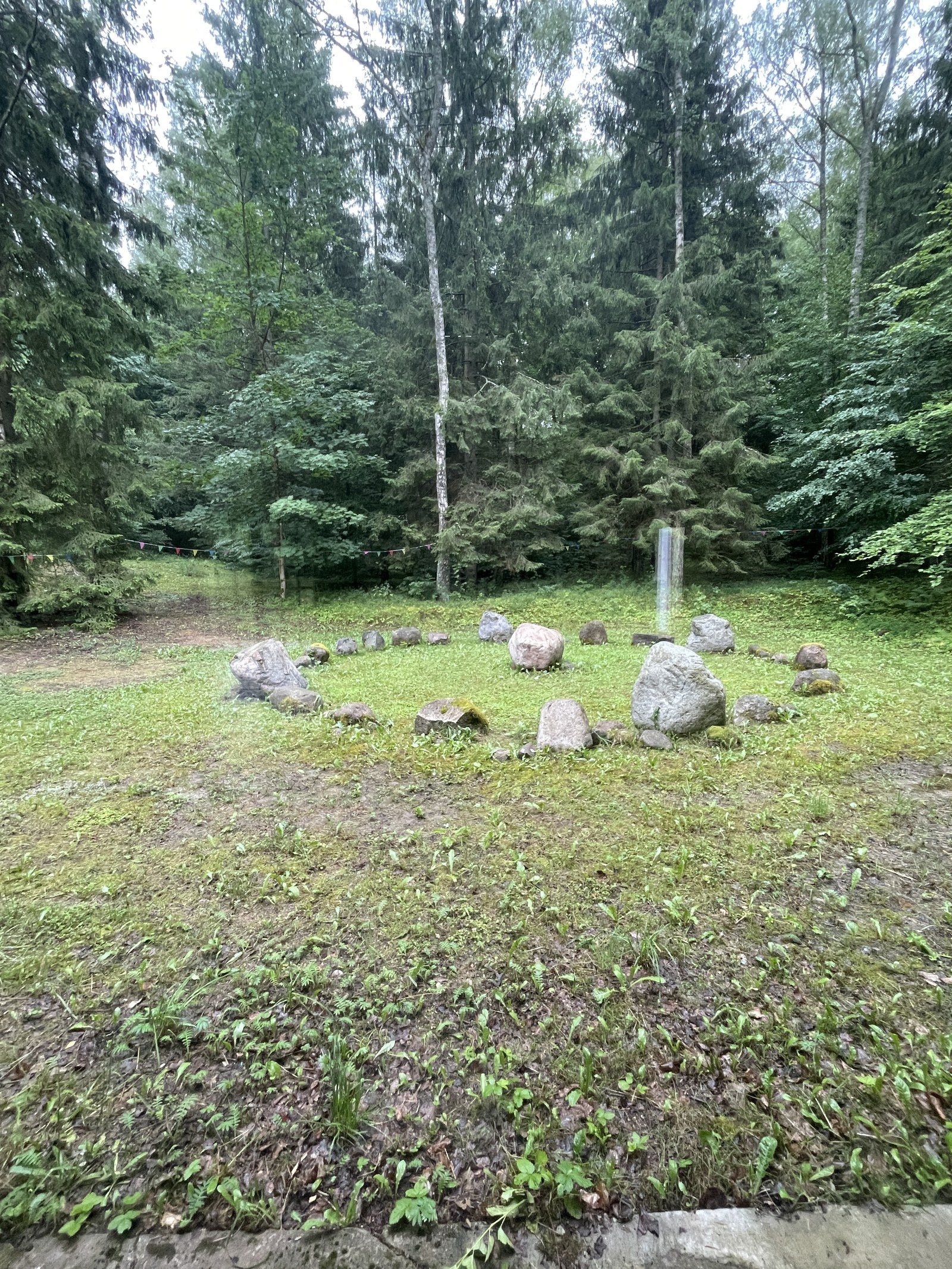
Where we are going - together
VOC is not a destination but a cycle.
You arrive with your story and find someone else’s narrative that shifts something in you. You grow and in growing, you contribute something new to the circle. That contribution reaches an educator on the other side of the world who is sitting with the question your experience can answer. They move forward. You move forward. The circle turns.
This is not a metaphor for what we hope to become but a description of how learning has always worked at its best, not as a pipeline from expert to novice, but as a living ecosystem where inspiration flows in every direction. Where belonging is not earned through credentials but through showing up, being fully present and where no voice goes unheard.
VOC is a place to grow and a place to be heard. And perhaps most importantly it is a place to belong.
So come as you are and bring what you know. The circle is already turning.
Books, research and inspirations
- Robin Wall Kimmerer - Braiding Sweetgrass: Indigenous Wisdom, Scientific Knowledge and the Teachings of Plants (2013)
- Etienne Wenger - Communities of Practice
- Battiste (2002) - Indigenous Knowledge Systems in education
- Lave & Wenger (1991) - Situated Learning